
How to Find Who Owns a Westchester County Property
Identify the municipality and parcel first, read the dated roll owner, and verify the latest deed in Westchester Records Online.
- Identify the municipality and parcel first, read the dated roll owner, and verify the latest deed in Westchester Records Online.
- Identify the municipality and parcel first, read the dated roll owner, and verify the latest deed in Westchester Records Online.
- Identify the municipality and parcel first, read the dated roll owner, and verify the latest deed in Westchester Records Online.
- Identify the municipality and parcel first, read the dated roll owner, and verify the latest deed in Westchester Records Online.
Where Westchester County Owner Information Comes From
Owner names in Westchester County come from two official layers. Municipalities keep the assessment roll and tax roll, while the County Clerk's recorder index in Westchester Records Online holds the deed records that establish title.
| Source | Owner Info It Gives | Access |
|---|---|---|
| Assessor / tax roll | Identify the municipality and parcel first, read the dated roll owner, and verify the latest deed in Westchester Records Online. | Public online access |
| Recorder deed index | Identify the municipality and parcel first, read the dated roll owner, and verify the latest deed in Westchester Records Online. | Index access |
| Secretary of State | Identify the municipality and parcel first, read the dated roll owner, and verify the latest deed in Westchester Records Online. | Identify the municipality and parcel first, read the dated roll owner, and verify the latest deed in Westchester Records Online. |
| GIS parcel viewer | Identify the municipality and parcel first, read the dated roll owner, and verify the latest deed in Westchester Records Online. | Identify the municipality and parcel first, read the dated roll owner, and verify the latest deed in Westchester Records Online. |
The Westchester County assessor records one owner. The recorder's deed records carry a later one. Together they show who the tax bill reaches and who holds title.
What "Who Owns This Property" Cannot Tell You
A roll name answers only one question. It shows who the tax bill reached on a given date, not the full deed history or the current state of title.
Lawful use. Identify the municipality and parcel first, read the dated roll owner, and verify the latest deed in Westchester Records Online.
Identify the parcel before identifying a person
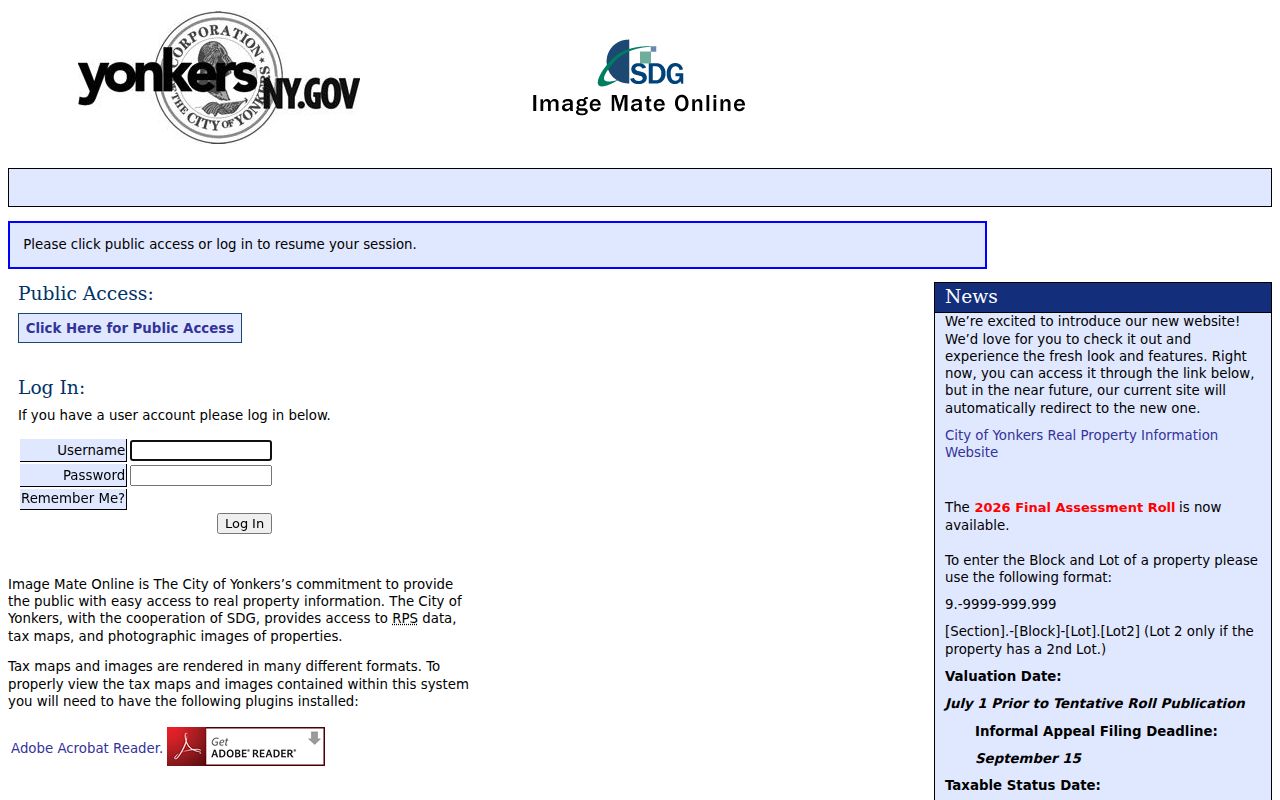
Type the address into the county GIS map. Copy the SBL. Confirm the taxing municipality as well. Then open that municipality's dated final roll or Image Mate card to see the owner of record as of its status date, which is not a promise of real-time title. The mailing address is a notice field, not proof of where a person lives. Yonkers's 115 Ridge Drive sample shows owner, SWIS, tax ID, class, assessment, full-market value, deed, and map fields on one card.
Trace the roll name to the newest WRO deed
In Westchester Records Online, search the deed reference or current grantee from the card. Match it against the SBL. Compare the legal description, recording date, and grantee with the roll date as well. A deed recorded after taxable status often explains the mismatch. Report trusts, estates, and entities exactly as indexed. Never substitute an officer, beneficiary, or mailing contact for the titled grantee. Registering with WRO comes before any search. Licensed images are separate, at $20 daily or $1,200 annually. The County Clerk provides certified copies. The WRO disclaimer keeps an online image in its proper evidentiary role.
Ownership answers have a date and scope
A careful answer names its sources. Say the final roll lists an owner as of its status date. A WRO deed names the grantee with a recording date. No deed? State the search terms and time instead of filling the gap from GIS. Check alternate spellings, prior owners, and legal descriptions before giving up. Title insurance, competing claims, and estates call for a qualified title professional or attorney. Owner data serves property research and due diligence. It also supports civic transparency. It does not reveal occupancy, family ties, or personal circumstances. Never use public fields to harass or endanger anyone.
Resolve Common Westchester Ownership Complications
A simple roll name can hide a timing problem. When the latest deed postdates taxable status, the roll is older, not wrong. When the deed predates the roll yet the names differ, dig into the details. Compare the legal description, SBL, and spelling. Check for a corrected roll, subdivision, or merger too. Search trusts, estates, and businesses under the indexed name exactly. Do not replace that name with an officer, trustee, beneficiary, or mailing contact unless the recorded document itself establishes the role.
Condominiums complicate things. A unit record may sit beside the underlying tax parcel. Cooperative interests may never appear as individual fee-simple parcels at all. Life estates, joint tenancies, and executor's deeds turn on the vesting language in the actual instrument. No conclusion should come from the assessment card alone. Boundary strips and merged lots can tie one street address to several identifiers.
The practical fix is a two-source statement. Quote the owner exactly as the municipal roll shows it with its date, then the grantee on the newest matching deed with its recording date. If the sources disagree, say so. State the gap, then use the County Clerk's certified-copy route or qualified title help. Public records reward due diligence and property history. They should never be used to infer residence or expose private relationships.
Use the Owner’s Mailing Field Carefully
The mailing field exists for one purpose. It gets assessment notices and tax bills to a responsible recipient. The address may point to the parcel itself. Then again, it may just as easily be a second residence, a post-office box, a management company, or an attorney. It could be a business office. None of that proves residence. Keep the field only when it matters to the property research. Also report its source date.
Formal notice is different. For a purchase, boundary matter, or public proceeding, follow the governing process. That may be certified mail, an agency abutter list, or counsel. Repeated unwanted contact and profiling fall outside a lawful ownership lookup.
A complete ownership note is specific. It lists the municipality searched, the exact SBL, the roll name and date, the newest matching deed reference and recording date, the access date, and any unresolved discrepancy. Keep screenshots as working evidence. Request a certified County Clerk copy when formal proof is required. Splits and mergers need both identifiers.